

Indoor air quality plays a major role in our daily health, comfort, and well-being. Most people spend a large portion of their time indoors, whether at home, in the office, or in other enclosed spaces. While many focus on cleaning floors, furniture, and visible surfaces, one important part of a building often gets overlooked: the air duct system.
Air ducts are responsible for circulating air throughout a property. Over time, these ducts can collect dust, dirt, allergens, and other contaminants that may affect the quality of the air you breathe. Understanding how air duct cleaning improves indoor air quality can help homeowners and businesses create a cleaner and healthier indoor environment.
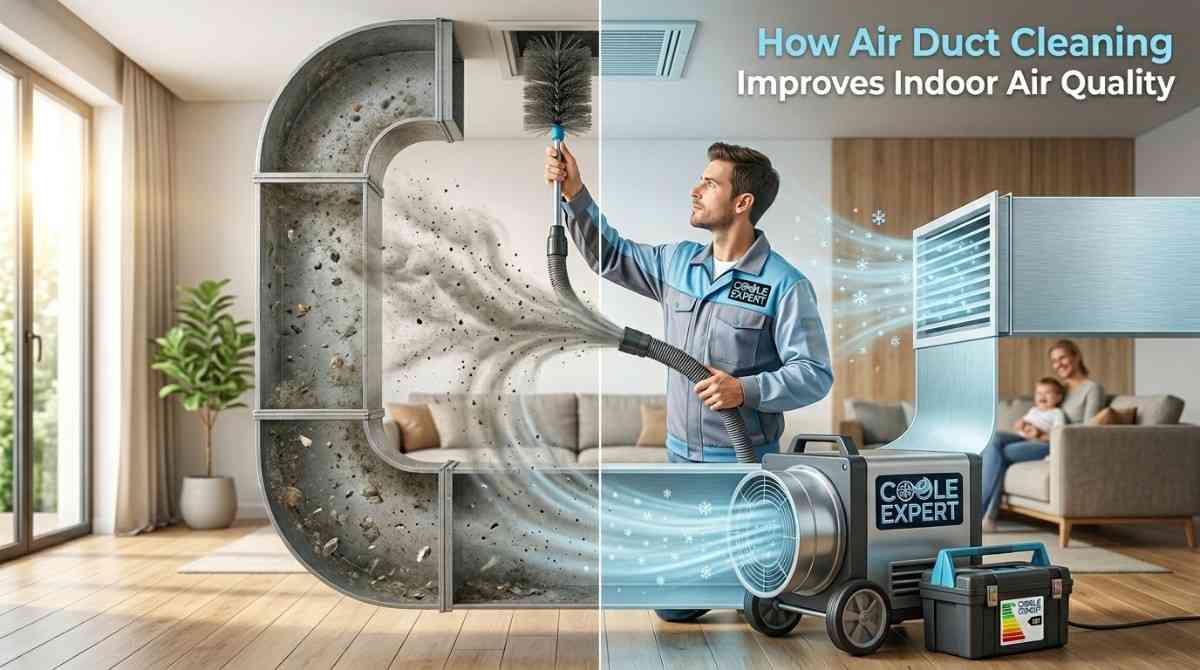
Air ducts are passages that distribute heated or cooled air throughout a building. They are part of a heating, ventilation, and air conditioning (HVAC) system and help maintain comfortable indoor temperatures.
When your HVAC system operates, air travels through these ducts and is delivered to different rooms through vents. Because air constantly moves through the ductwork, airborne particles can gradually accumulate inside the system.
Although air filters capture many contaminants, they cannot stop every particle from entering the ductwork. As a result, dust and debris can build up over time.
Air ducts naturally collect various particles from indoor and outdoor sources. Some of the most common contaminants found inside duct systems include:
Every time the HVAC system runs, these particles can circulate through the building. The accumulation may be greater in homes with pets, smokers, recent renovations, or high levels of outdoor dust.
When air ducts become heavily contaminated, they may negatively impact indoor air quality in several ways.
One of the most noticeable effects of dirty air ducts is excessive dust inside the home. Dust trapped within the ductwork can be pushed into living spaces whenever the HVAC system operates.
This can lead to frequent dust buildup on furniture, floors, and other surfaces.
Dust mites, pollen, pet dander, and mold spores are common allergy triggers. When these particles circulate through indoor air, they may contribute to allergy symptoms such as:
People with asthma or respiratory conditions may be particularly sensitive to poor indoor air quality.
Dust, mold, pet hair, and other contaminants can create unpleasant smells within duct systems. As air passes through the ducts, these odors may spread throughout the building.
Poor indoor air quality can affect overall comfort. Rooms may feel stuffy, dusty, or less fresh, making indoor environments less enjoyable.
While not every HVAC system requires frequent duct cleaning, certain signs may indicate that an inspection is needed.
If dust accumulates quickly around air vents and registers, contaminants may be present inside the ductwork.
Persistent odors coming from vents may suggest the presence of dust, moisture, or mold inside the ducts.
If you can see dust or debris inside supply vents, it may indicate buildup deeper within the system.
A noticeable increase in allergy-related symptoms indoors could be linked to airborne contaminants circulating through the HVAC system.
Construction and renovation work often generate large amounts of dust and debris that can enter air ducts.
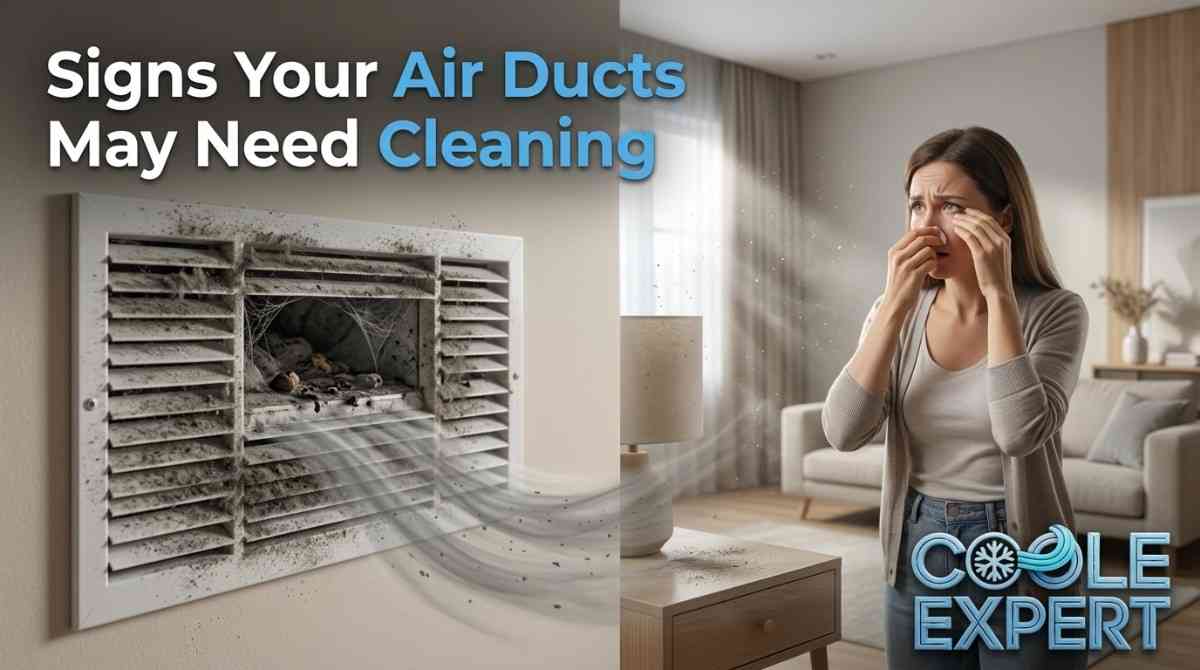
Professional air duct cleaning can help address many of these issues and contribute to a healthier indoor environment.
One of the primary benefits of air duct cleaning is the removal of accumulated dust and debris. Cleaning helps reduce the amount of loose particles that may circulate through the building.
This can result in cleaner indoor air and less dust settling on surfaces.
Removing contaminants such as pollen, pet dander, and dust can help lower the concentration of allergens within the HVAC system.
Although air duct cleaning is not a cure for allergies, it may help reduce exposure to common airborne irritants.
Heavy dust buildup can sometimes restrict airflow. Clean ductwork allows air to move more efficiently throughout the system, helping maintain consistent airflow.
Cleaning can remove odor-causing contaminants trapped within the ductwork. This often helps create a fresher-smelling indoor environment.
Because fewer contaminants are circulating through the air, occupants may notice cleaner indoor spaces with reduced dust accumulation.
Cleaner indoor air may contribute to improved comfort for individuals who are sensitive to airborne particles.
Reducing contaminants within the HVAC system can be part of an overall strategy to support healthier indoor living conditions.
In addition to improving indoor air quality, duct cleaning may offer several other advantages.
Clean ducts can help HVAC systems operate more effectively by allowing air to move freely through the system.
Removing obstructions and debris may improve airflow throughout the property.
When airflow is restricted, HVAC components may need to work harder. Cleaner ducts can help reduce unnecessary strain on the system.
An efficient HVAC system may consume less energy compared to one struggling with airflow issues.
Reducing strain on heating and cooling equipment may contribute to longer system performance over time.
Fact: While not all systems require frequent cleaning, some situations justify professional inspection and cleaning.
Fact: Indoor air quality depends on many factors, including ventilation, humidity, filtration, and cleanliness.
Fact: Construction debris and dust can sometimes remain in duct systems after building projects are completed.
Fact: Air filters capture many particles, but some contaminants may still enter the ductwork.
There is no universal schedule for every property. Cleaning frequency depends on several factors, including:
Many experts recommend periodic inspections and cleaning when significant buildup or contamination is identified.
Even between professional cleanings, homeowners can take steps to improve indoor air quality.
Clean filters help capture dust and airborne particles before they enter the HVAC system.
Regularly dust and vacuum around air vents and registers.
Routine maintenance helps ensure HVAC systems operate efficiently and cleanly.
Maintaining proper humidity levels can help prevent mold growth.
Using a quality vacuum can help reduce indoor dust and allergens.
Opening windows when conditions allow and using proper ventilation systems can improve air circulation.

Understanding how air duct cleaning improves indoor air quality is important for maintaining a healthy indoor environment. Over time, air ducts can collect dust, allergens, and other contaminants that may affect the air circulating throughout a building.
Professional air duct cleaning can help remove these particles, improve airflow, reduce odors, and support overall HVAC performance. While it is only one part of maintaining good indoor air quality, clean ductwork can contribute to a cleaner, fresher, and more comfortable living or working space.
Combined with regular HVAC maintenance, clean filters, and proper ventilation, air duct cleaning can play an important role in creating healthier indoor environments for everyone.
Phone
Adress

Call our expert technicians for fast and reliable support anytime.